

Tongas de la Memoria: Pedagogies for Peace
Partnership Duration: 2018 – present, Malula has been involved since 2024
Project Goal: To document, systematise, and disseminate the Tongas de la Memoria methodology as a set of pedagogical practices that contribute to healing, peacebuilding, and economic autonomy.
Project Partner:
Virgelina Chará
Fundación Malula
Universidad del Rosario
Colombian-German Institue for Peace (CAPAZ)
Elisabeth Käsemann Foundation
Centro de Memoria, Paz y Reconciliación
Casa de la Paz
Project Description:
The Tongas de la memoria project seeks to document and formalise over a decade of community-based peace work led by Virgelina Chará. While these practices have already had a significant social impact, they have not previously been rigorously systematised.
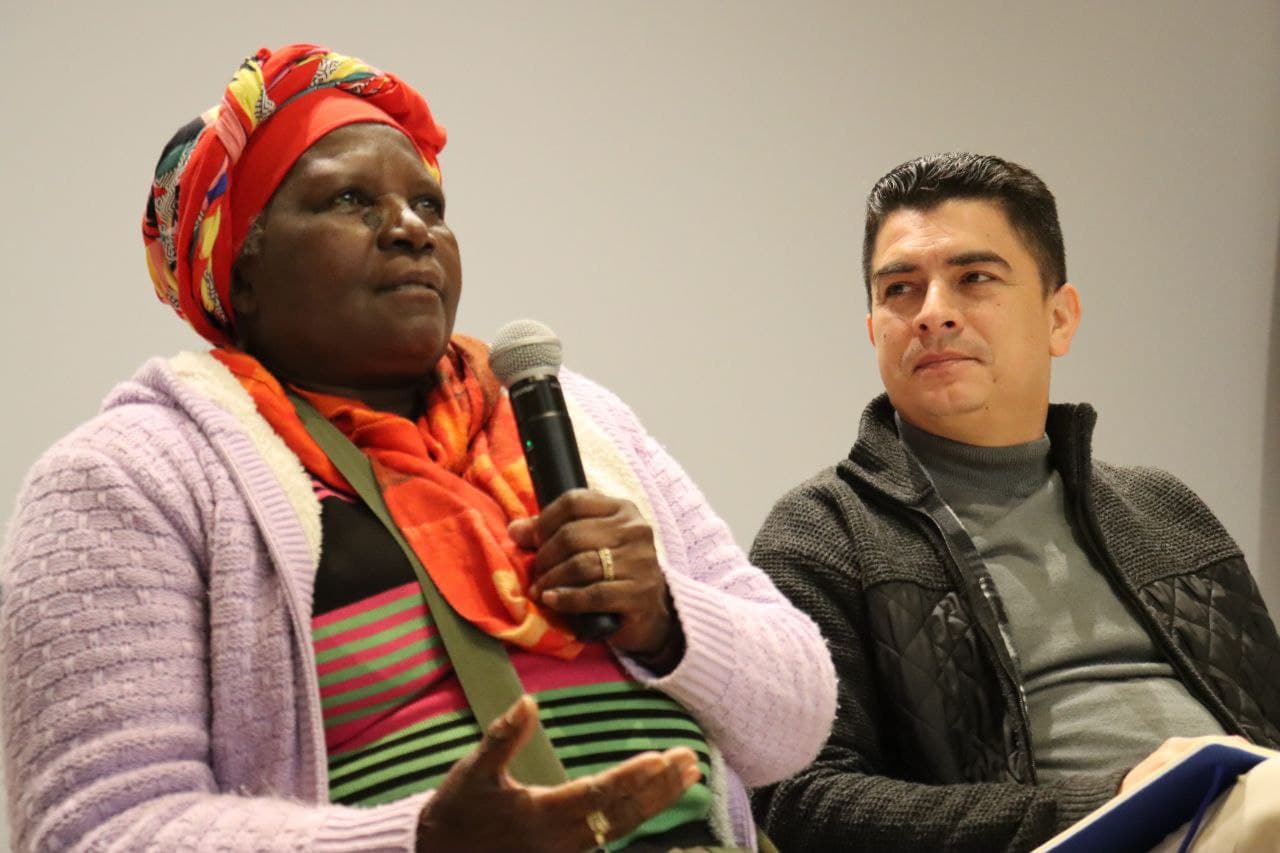
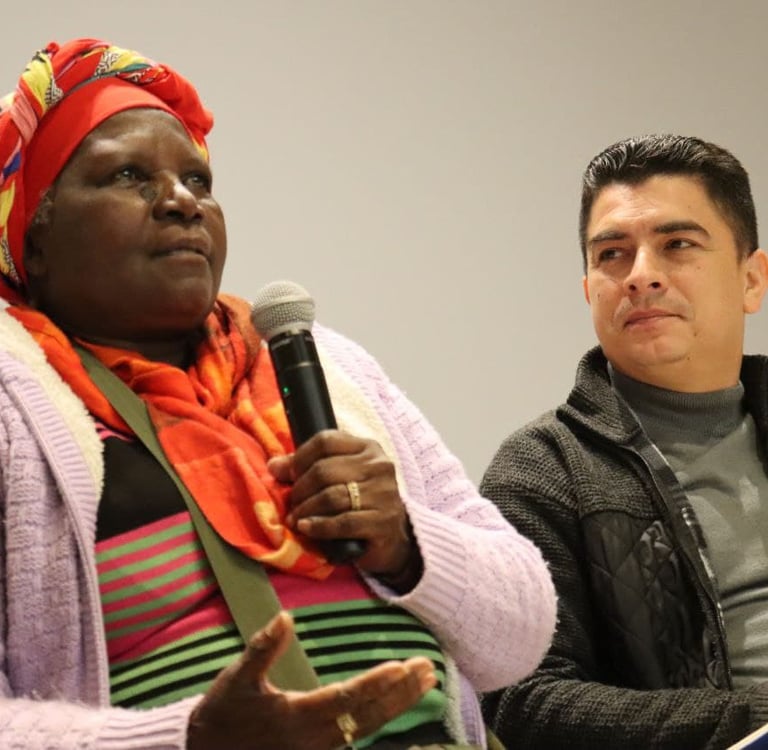
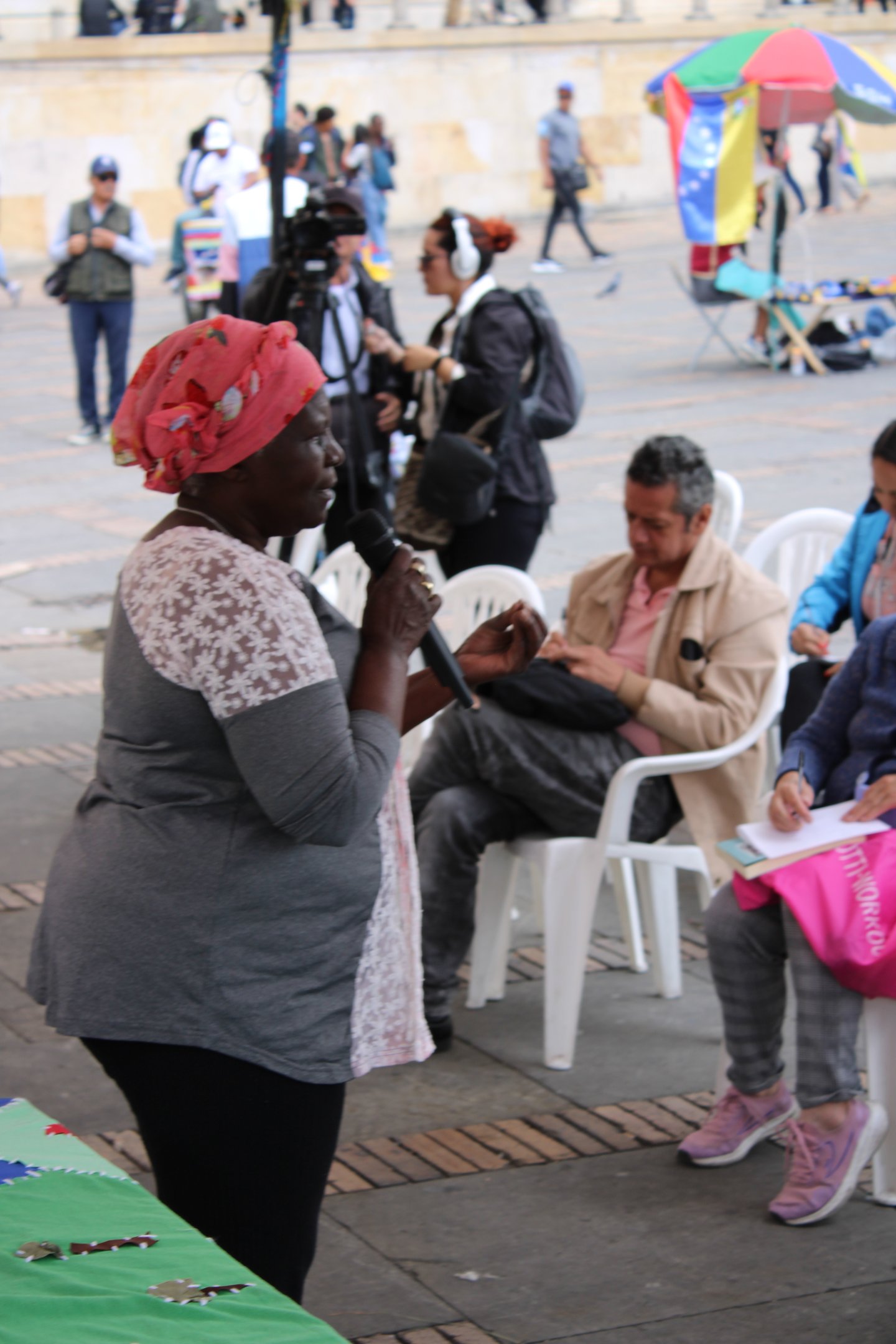
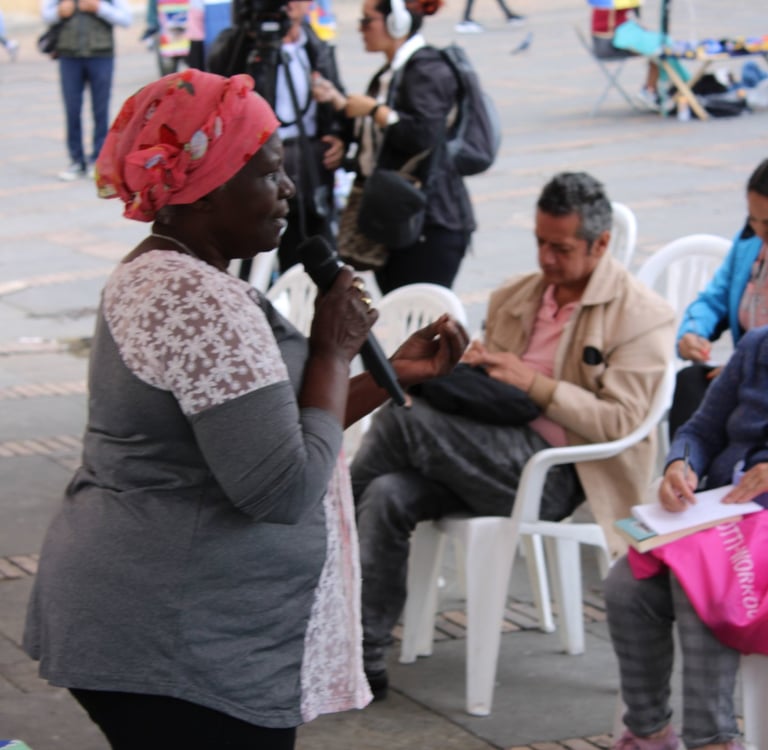
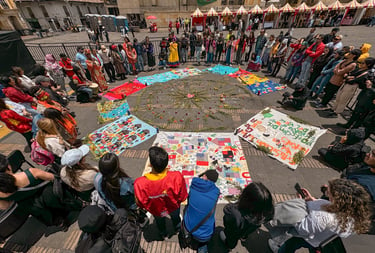
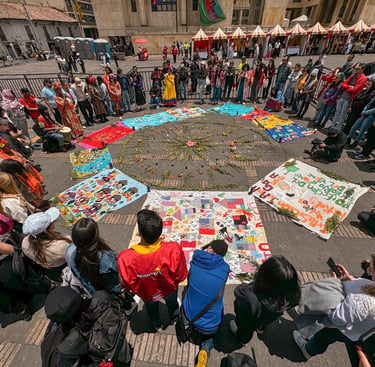
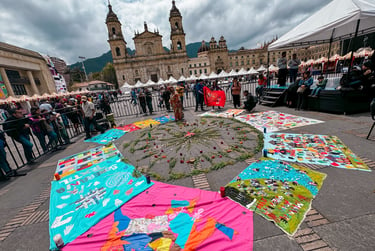
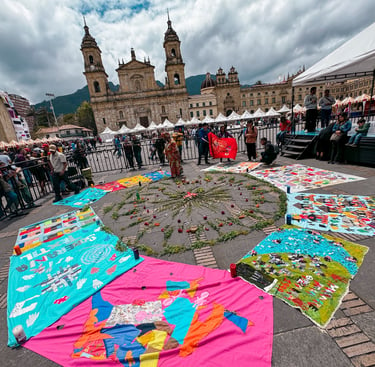
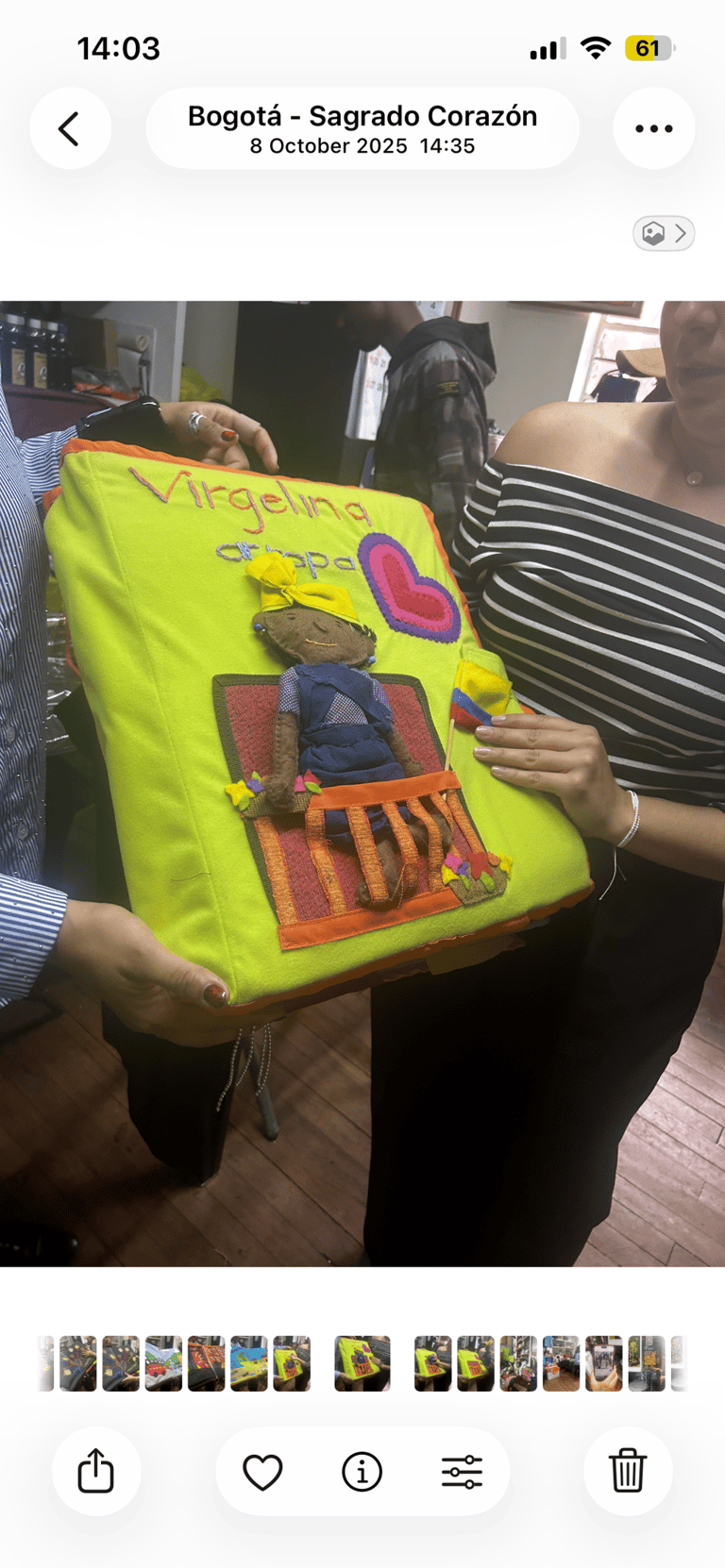
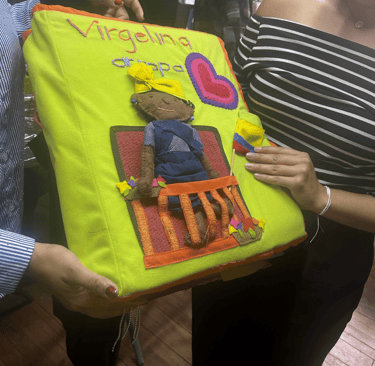
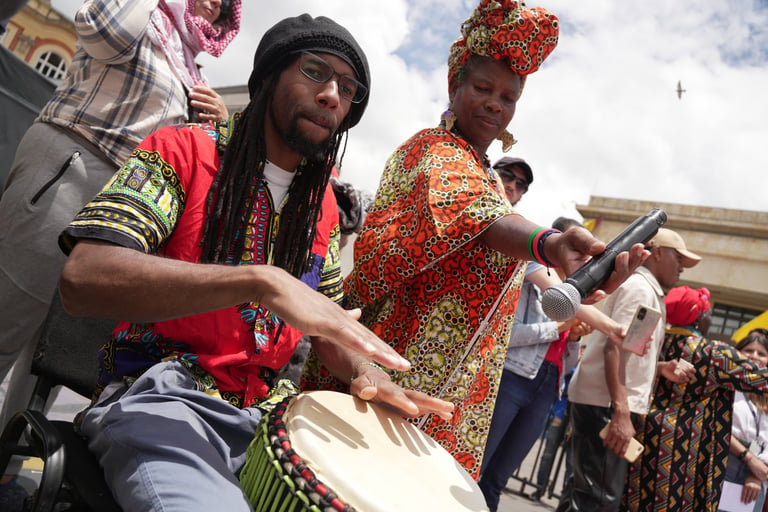
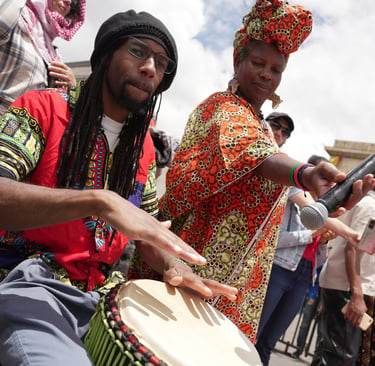
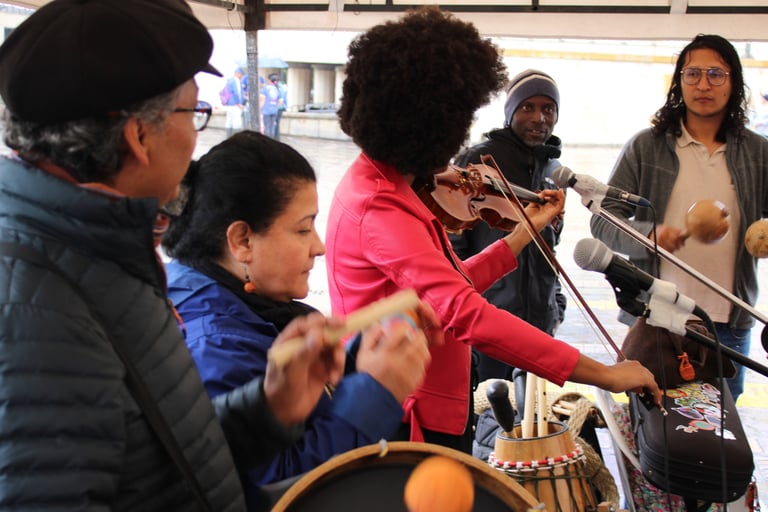
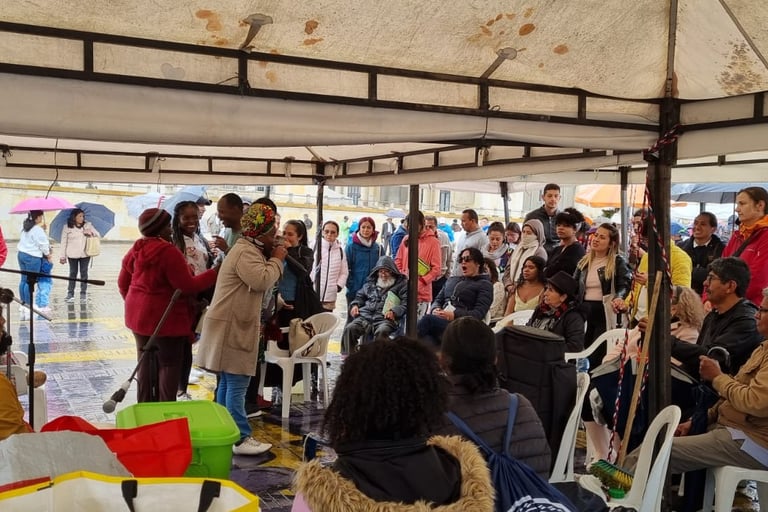
The project is structured around a series of participatory workshops known as “Tongas”, each focusing on a different medium of memory and expression:
Writing
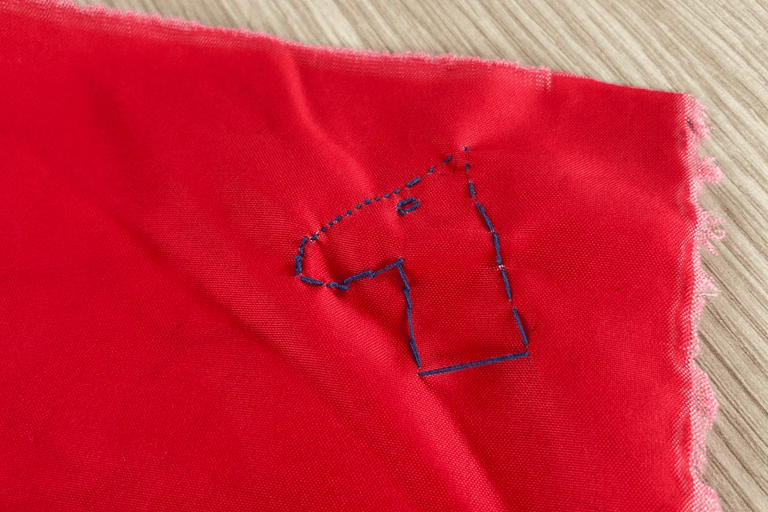
Fabric work (weaving and textile-based expression)
Gastronomy
Ancestral medicine
Music and sung memory
Who is Virgelina Chará?
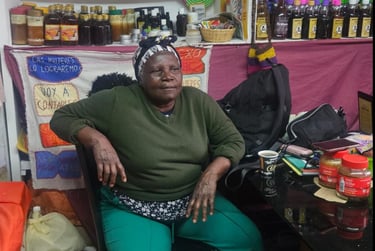
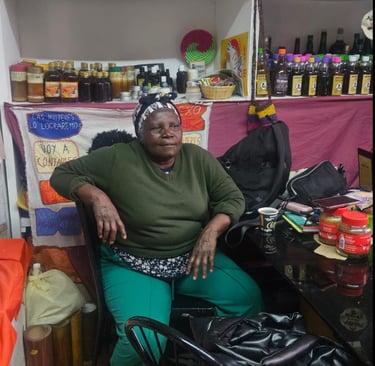
Virgelina Chará, a Colombian woman born in the department of Cauca, was a human rights defender and advocate for cultural traditions and practices. She previously directed the Association for Comprehensive Development (ASOMUJER y Trabajo) and served as leader of the Union of Seamstresses. Through weaving and looms, she developed an artistic, healing, and political methodology that gives a voice to hundreds of victims of Colombia's armed conflict, creating opportunities for self-management and self-sufficiency by transforming these skills into technical knowledge for productive projects.
In 2005, Virgelina was nominated for the Nobel Peace Prize for her relentless defense of human rights, following her leadership of a 72-hour weaving marathon at the Center for Memory, Peace, and Reconciliation with numerous victims of violence in Colombia. This nomination recognized her over 35 years of struggle, which began with the forced displacement of her family in 1985 from a mining municipality heavily impacted by armed conflict and home to a large Afro-descendant community.
What are Tongas?
Tongas are community-based pedagogical spaces rooted in Afro-Colombian traditions. They function as processes of formation, discipline, and collective learning. They emphasise respectful communication, including how individuals speak, listen, move, and express themselves.
What is Arropamientos:
The symbolic act of covering participants with fabric, representing care, protection, and solidarity within peacebuilding contexts. Also refers to covering buildings or monuments.
What the creation process usually involves:
72 hours of weaving (intensive collective creation processes)
Memory expressed through traditional music such as marimba and tambora
Festivals celebrating memory, land, and well-being
A network of “memory protectors” linking communities and universities
Each workshop brings together groups of 35–50 participants for approximately six hours, creating a space for shared learning, dialogue, and reflection. Listening is central to the process, forming the basis for communication and collective knowledge-building.
The final stage of the project focuses on entrepreneurship, where participants develop productive or business ideas rooted in their lived experiences, promoting economic independence.
The project will produce:
A book (print and digital) documenting the methodology and its impact
A video including participant testimonies
A final public presentation of results
The initiative has engaged around 5,000 participants across different regions of Colombia, particularly prioritising LGTBIQ+ individuals, homeless populations, ethnic communities, and victims of armed conflict.
After experiencing two more forced displacements and a kidnapping, Virgelina Chará arrived in Bogotá. There, she became part of the "seamstresses" at the Centre for Memory, Peace, and Reconciliation, spaces where conflict victims expressed their experiences through sewing, channelling their grief and healing processes. By using her expertise and knowledge of weaving rooted in her ethnic and territorial background in Colombia, Virgelina developed the "Tongas of Memory" methodology.
She was an expert herbologist and produces traditional remedies and medicines which are sold through Casa de la Paz.
Virgelina sadly passed away in early 2026. She was a greatly valued member of the community and continues to serve as an inspiration to us all.