


Our Vision
At Fundación Malula, our mission is clear: to improve the quality of life of vulnerable populations in Colombia and create a real impact on people’s lives. We are deeply committed to social change and work to support communities in raising awareness of their struggles and jointly developing solutions to shared problems.
Through non-formal education, the arts, research, and sport, we promote comprehensive development and work together with communities to transform lives. Our programmes integrate culture, sport, and education to create positive and lasting change in society.
“Growing up in a family of teachers, I learned from an early age the transformative power of education and the importance of opening doors for others. That foundation shaped everything that came after.”


Through Malula Investiga, we strengthen this mission by building memory, fostering knowledge exchange. We promote leadership and development, advancing research on women, conflict and peace. We explore pedagogies for peace and examine the relationship between politics and the arts.
Peace and Conflict Studies and Gender Studies go hand in hand, as both fields highlight the importance of understanding how power and inequalities shape conflict and peace processes. They have provided substantial academic evidence demonstrating the transformative impact of gender perspectives in peacebuilding efforts. Therefore, Malula incorporates a gendered lens into our work. Gender equality extends beyond solely representing women’s perspectives. Malula is engaged in an ongoing process of reflection to ensure that gender equality is meaningfully embedded in long-term strategies and approaches.
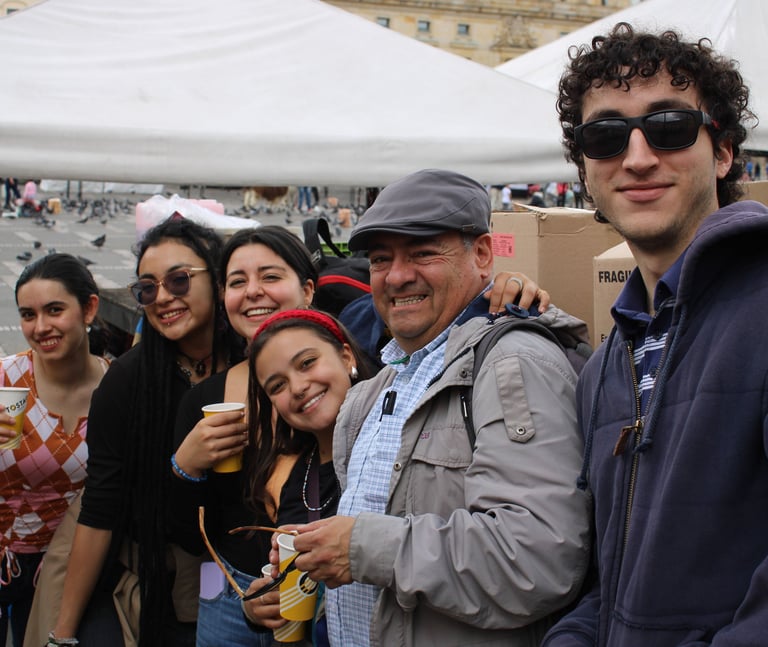
We incorporate an intersectional approach to better understand and address structural inequalities affecting minority and marginalised communities in our projects. This approach enables us to engage with complex social realities in a more inclusive and context sensitive way. Intersectionality involves recognising the multiple and overlapping barriers that individuals face within our programmes, shaped by factors such as gender, ethnicity and other identities.